
High-quality cuddly toys: The comprehensive guide for parents of babies and toddlers
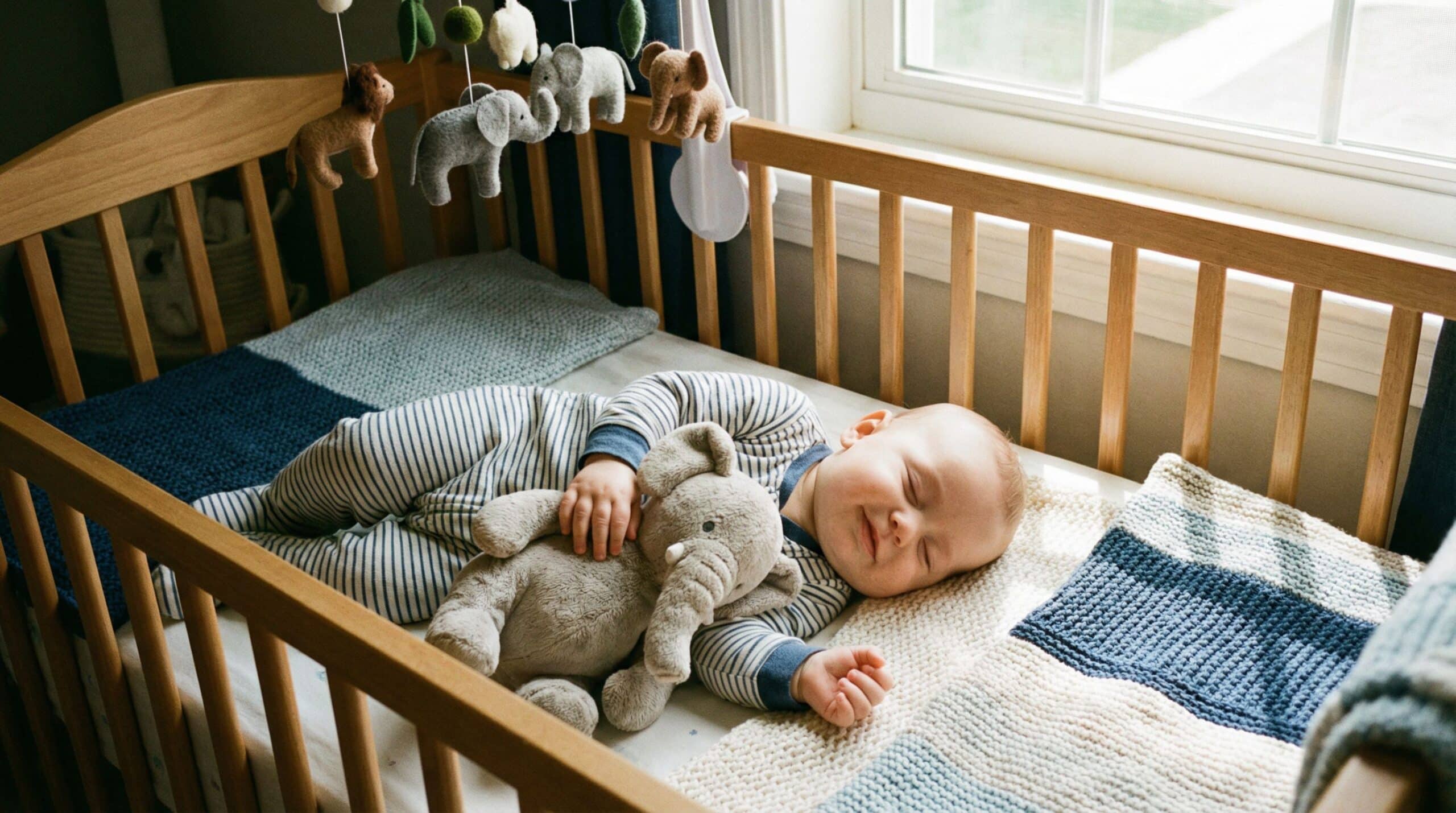
Photo: wisheezy / AI generated
What makes a stuffed animal truly "high quality"?
Unfortunately, the term "high quality" is used very loosely in the toy industry. Every manufacturer promises the best, the safest, the most lovingly made products. But how can parents really tell whether a cuddly toy is worth its price?
There are four pillars that characterize a truly good cuddly toy:
1. The material
High-quality cuddly toys are made from materials that are pleasant to the skin, durable, and do not release any harmful substances. The choice of material is particularly important for babies, who put everything in their mouths and hold things close to them. You can find more information on this below in the material comparison.
2. The workmanship
A good cuddly toy can often be recognized by how it feels and how it is sewn. High-quality toys have carefully sewn seams that will last even after being squeezed and washed a thousand times. Eyes and noses are either embroidered or attached in such a way that they cannot come off. The filling is evenly distributed and does not clump together.
3. Free of harmful substances and certifications
When buying, look for certification marks. The Oeko-Tex Standard 100 certificate guarantees that the product has been tested for harmful substances and does not contain any substances that are harmful to health. The CE mark indicates that the toy complies with European safety standards. These marks are not advertising gimmicks; they are a genuine sign of trust.
4. Washability and ease of care
A cuddly toy that cannot be washed is simply impractical for parents of babies and toddlers. Good manufacturers ensure that their toys are machine washable and provide clear care instructions. Because sooner or later, even the most beloved toy will end up in the laundry net.
Safety first: What parents of babies and toddlers need to pay special attention to
When a baby is given a cuddly toy, safety is the absolute priority—even before appearance, price, or the parents' personal taste. Toddlers and especially babies discover the world through their mouths. Everything is touched, licked, and chewed. And that is precisely why particularly strict requirements apply to the youngest age group.
No loose small parts
This sounds obvious, but unfortunately it is not always the case. Sewn-on button eyes, wire bows, plastic noses that can be pulled out – all of these are potential choking hazards for children under three years of age. Reputable manufacturers solve this problem by embroidering eyes, noses, and mouths instead. If you are unsure, simply pull carefully on the eyes and nose. Nothing should give way.
Size and shape
For babies under 12 months, the bigger and simpler, the better. Very small cuddly toys can pose a risk during sleep if they cover the baby's face. Animals without lots of attachments, ribbons, or strings are most suitable for the first few months of life.
Overview of relevant standards and certificates
Caution is advised, especially with inexpensive imports without recognizable certifications. Only the best is good enough for your child, and that includes safety.
Comparing materials: What is really good for little hands and sensitive skin?
Not all stuffed animals are created equal. The differences in materials are greater than you might think—and in practice, they make a noticeable difference for children with sensitive skin or for particularly environmentally conscious parents.
Organic cotton
✔ Recommendation: Especially for babies and children with sensitive skin. Organic cotton is soft, breathable, hypoallergenic, and free from harmful pesticides. Soft toys made from organic cotton are usually easy to wash and retain their shape. The only disadvantage is that they are often slightly less "fluffy" than synthetic alternatives.
Polyester plush
✔ With reservations: The classic material for most cuddly toys. Polyester plush is very soft, easy to care for, and retains its shape well. The disadvantage is that it is a synthetic material made from non-renewable raw materials. Today, high-quality manufacturers use recycled polyester (rPET), which significantly improves the environmental balance. Polyester can sometimes be problematic for children with allergies, as it builds up static electricity and attracts dust.
Natural wool and virgin wool
✔ High quality, but with a caveat: natural wool regulates temperature, is durable, and is naturally dirt-repellent. Cuddly toys made from virgin wool feel wonderful and are very durable. However, they are usually hand washable and not as easy to care for as synthetic alternatives. Not suitable for children with wool allergies.
Mohair
⚠ More suitable for older children: Mohair is incredibly soft and gives cuddly toys a special, almost magical feel. High-quality mohair animals are often handmade works of art that are traded as collector's items. However, they are not really suitable for babies and toddlers: Mohair can shed, is difficult to care for, and the material does not tolerate rough handling.
The best brands for high-quality stuffed animals
The market for stuffed animals is huge. To save you time searching, we present the brands that have made a name for themselves over the years for quality, safety, and attention to detail.
Steiff – The German classic

Steiff is probably the best-known cuddly toy brand in the world – and has been since 1880. The "button in the ear" is a global symbol of quality and authenticity. Steiff animals are made from particularly soft plush, are elaborately crafted, and are virtually unbeatable in terms of durability. Many parents today pass Steiff animals on to their own children – because they simply deliver what they promise. The price range is correspondingly high, but absolutely justified for an animal that lasts for generations.


Jellycat – British playfulness meets quality

In recent years, Jellycat has become perhaps the most popular soft toy brand for young families—and rightly so. The English brand impresses with unusual designs (toasties, broccoli, avocados – yes, really), extreme softness, and a quality that can withstand regular washing without any problems. Jellycats are available in different sizes and are loved by children and parents alike. Suitable for babies from 0 years old, as the eyes and nose are embroidered.


Senger Naturwelt – Sustainable from Germany

Senger is a small, fine German manufacturer from the Ore Mountains. The animals are made from 100% organic cotton or virgin wool, are Oeko-Tex certified, and are produced according to strict social standards. If you value sustainability and regional production, you will find what you are looking for at Senger. The simple, honest designs have a natural and timeless look. The heat pillow animals, which serve as both cuddly toys and gentle hot water bottles, are particularly popular.


Käthe Kruse – Tradition and Craftsmanship

Käthe Kruse is one of Germany's oldest toy manufacturers and has been synonymous with handmade quality for over 100 years. Käthe Kruse cuddly toys are produced in Europe, made from high-quality materials and have an unmistakable classic charm. If you're looking for a cuddly toy that will also make a great heirloom, you've come to the right place.


Hansa Toys – When realism is a must
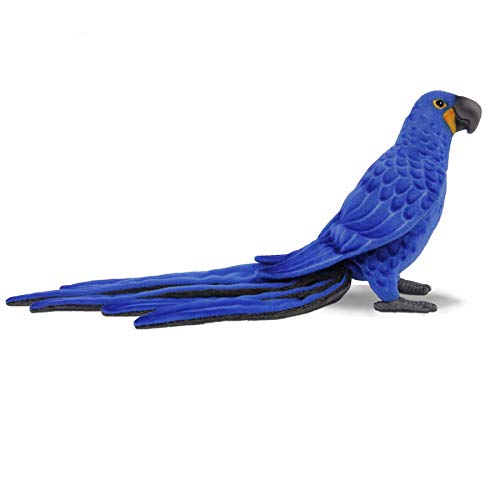
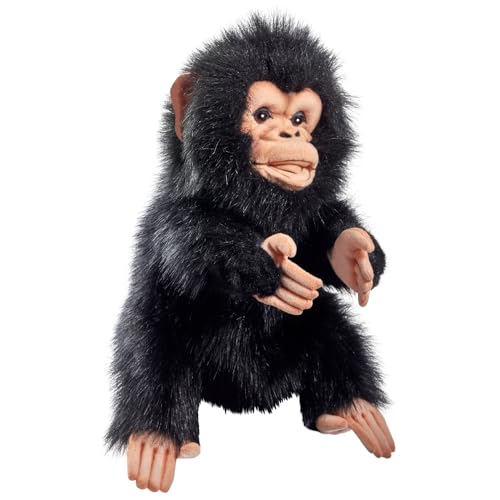
Hansa is a Philippine manufacturer that has been known for decades for its exceptionally realistic animal replicas. The animals are elaborately hand-sewn, lovingly detailed, and used as official cuddly toys by zoos around the world. Hansa is a wonderful choice for toddlers who are enthusiastic about certain animals. The workmanship is outstanding, and the selection is enormous.

Nattou – Specialist for the little ones

Nattou specializes in cuddly toys and toys for babies from birth. The Belgian brand is known for its soft, safe, and colorful animals, which often come with a rattle or teething ring. A great choice for the first few months of life if you are looking for a product specifically designed for babies.


Sigikid – German quality with a lot of heart
Sigikid has been producing toys in Bavaria since 1856 and is known for its lovingly designed, safe cuddly toys. The animals are made of high-quality plush, are well made and Oeko-Tex certified. Sigikid's "Beasts" collection in particular has achieved cult status among adults in recent years. Suitable for children of all ages.


Cuddly toys by age: What is appropriate when?
There is no such thing as the perfect cuddly toy, but there is the perfect cuddly toy for a specific age. What a newborn needs is very different from what a 2.5-year-old toddler will love.
0 to 6 months: Safety and softness
In the first months of life, safety is paramount. The cuddly toy should not have any small parts, long appendages, or strings. It should be a manageable size and ideally washable at 40 degrees Celsius—because at this stage, everything seems to end up in the mouth. Soft, simple animals made of organic cotton are ideal. Comfort blankets, which feature a small animal head on a soft cloth, are also very popular and safe for this age group.
6 to 12 months: First attachments develop
Now the baby begins to develop real preferences. Some children at this age lose their hearts to a particular rabbit, sheep, or bear – and never let go. In this phase, cuddly toys can be a little more structured: soft ears to touch, different textures, quiet rustling. The animal should still be free of small parts. A tip for parents: buy two identical ones. If the favorite animal is lost or in the wash, a replacement can prevent many tears.
1 to 2 years: The animal becomes a friend
After their first birthday, the cuddly toy becomes a real playmate. Now it's time to use your imagination: the animal is given a name, is fed, comforted, and sleeps in the daycare bag. At this stage, cuddly toys can be a little more diverse. Realistic animals (dogs, cats, horses) are just as popular as imaginative creatures. They can be a little bigger, but the animal should still fit comfortably in a child's hands and be safe for smaller children (no loose small parts!).
2 to 3 years: Everyday companions
Toddlers now often have one or two favorite animals that accompany them everywhere. At daycare, at the doctor's, on trips – the cuddly toy is both security and comfort. Now more complex designs are also allowed: animals with clothes that can be taken off and put on, animals with different textures or soft sound functions. The important thing is that everything must be sturdy. A toddler loves their animal passionately and sometimes not exactly gently.
Care and durability
Your beloved stuffed animal will eventually get dirty. It's inevitable. And then comes the anxious moment: will it survive the washing machine? With a few simple tips, it will.
Before washing
Always check the care label first. Most high-quality stuffed animals made of polyester plush and organic cotton are washable at 30 or 40 degrees. Animals made of wool or special materials are often only labeled as hand washable.
Put the toy in a laundry net before washing. This protects the seams and prevents the toy from getting caught inside the drum. Close all Velcro fasteners and turn the toy inside out if possible.
Washing program and temperature
A gentle wash cycle at 30 degrees is the right choice in most cases. If you want to be on the safe side, choose a hand wash program. Avoid spinning if possible, or spin at a low speed to protect the filling.
Drying
Please do not use a dryer – unless the care label expressly allows it. Heat can damage plush fabric, loosen seams, and stick eyes together. It is best to let the animal dry in the air, shaking it gently from time to time to keep the filling evenly distributed.
The "emergency-rescued" animal
Sometimes accidents happen: felt-tip pens, pea soup, finger paints. For stubborn stains, a little gentle hand soap applied directly to the stain often helps. Massage it in gently, leave it to work for a short time, and then dab it carefully with a damp cloth – do not rub, as this will only spread the stain. Then wash as usual.
Why quality pays off in the long run
A high-quality cuddly toy, cared for properly, can last for years. Many parents report that Steiff animals or well-made natural materials still look good even after 10 years of washing. Cheap animals from the supermarket, on the other hand, lose their shape after a few washes, the plush becomes matted, and the filling clumps together. In the long run, the "expensive" animal is often the cheaper option.
* Links marked with an asterisk are affiliate links. We receive a commission from the online store when purchases are made via affiliate links.