
Giving sustainably instead of wasting - 5 tips for environmentally conscious gift-giving
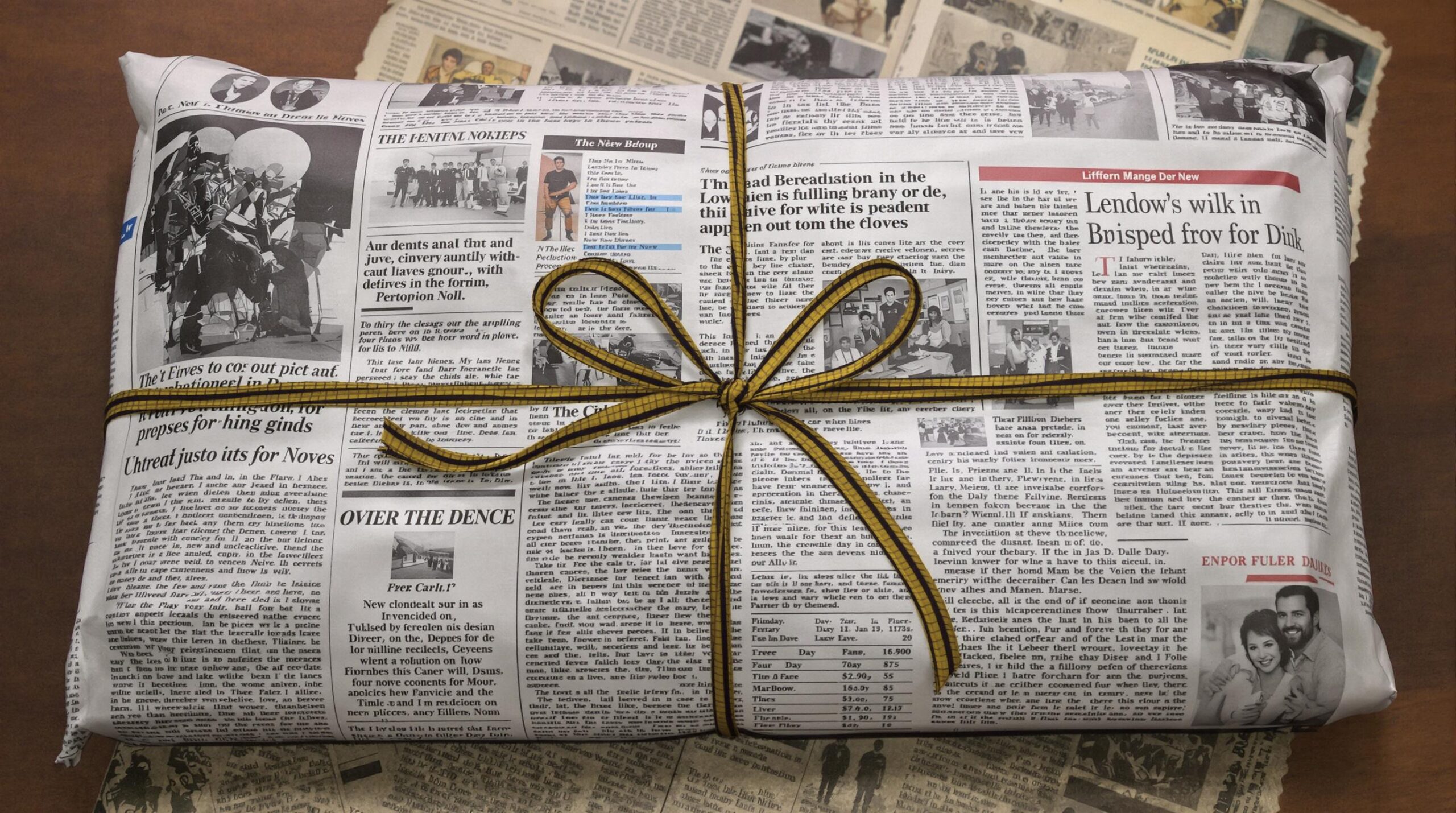
Rethinking packaging
Instead of classic wrapping paper, there are creative and reusable alternatives. For example, baby gifts can be wonderfully wrapped in muslin cloths, which are needed by the parents anyway. A cool eye-catcher are old maps that can be given a second life as gift wrapping. Or if you like it simple, you can actually use newspaper.
Furoshiki cloths made of fabric are also often advertised as sustainable gift wrapping, but they have to be purchased separately and are not really reused by every person receiving a gift. I would therefore only recommend them in certain cases.
Adhesive tape is best avoided completely when wrapping.
Buy regional
Local manufacturers and stores stand for short transportation routes, fair wages and long-lasting quality. Consciously choosing regional suppliers reduces CO₂ emissions and supports the local economy at the same time. In many places, small self-service stalls are currently being set up by private individuals selling handmade products, the proceeds of which are often donated. It is therefore worth taking a look outside your own front door.
Platforms such as Temu or Amazon, on the other hand, are increasingly being criticized for ecological and ethical concerns and ship their products over long distances - sustainability is never a priority here.
Time together
Going rock climbing, a pottery course, a picnic in the countryside or a movie night at home. Such gifts not only do not require any packaging at all, but also promote the relationship and appreciation for each other.
You can either look around for a provider in the region that offers ready-made gift vouchers, or you can design one yourself and print it out.
DIY & Upcycling
Homemade gifts - whether home-baked cookies, handmade soaps or creative upcycling ideas - show personality and save resources. There is a clear trend towards individualization instead of buying mass-produced items.
If you have a special hobby, you can incorporate this into your gifts. Gardeners give home-pickled cucumbers as gifts and tech enthusiasts use their 3D printer to print a coloring template with the silhouette of the person receiving the gift. Creativity is required here, but the result is an unforgettable gift.
Second-hand treasures
It doesn't always have to be new! Users of wisheezy regularly want to buy second-hand goods in order to conserve resources. Looking beyond classifieds portals can be really worthwhile. At flea and antiques markets, you can always find truly unique items with a history or absolute eye-catchers that are timeless and looking for a new home. These second-hand finds are not only sustainable, they are also easy on the wallet.